
Why Some Landed Homes in Serangoon Gardens Don’t Sell — Even in a Strong Market

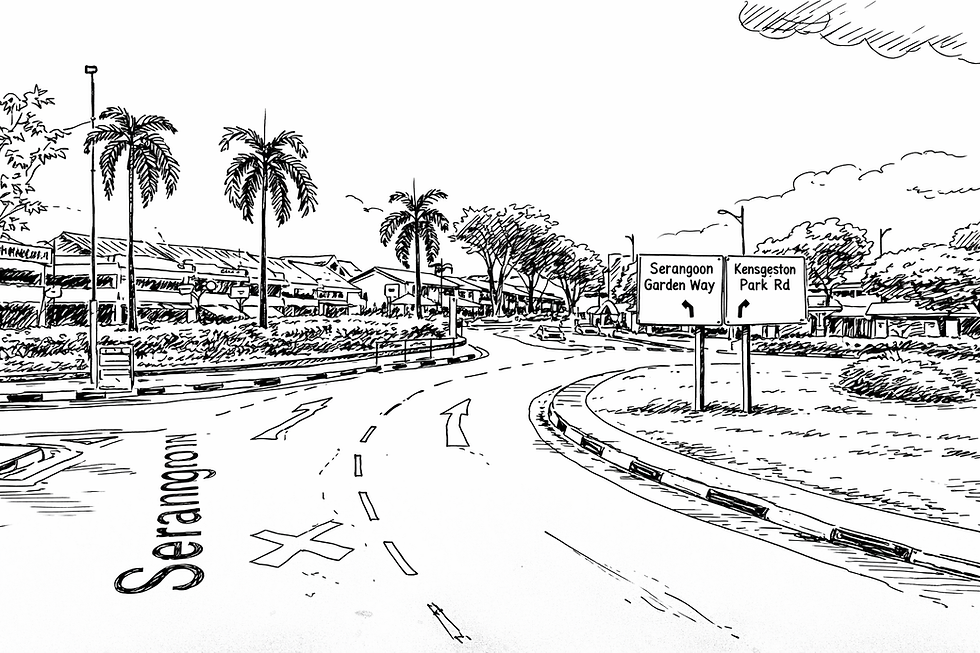
Serangoon Gardens has long been regarded as one of Singapore’s most desirable landed enclaves. Known for its charming residential streets, vibrant dining scene, and strong sense of community, it continues to attract discerning buyers seeking exclusivity and space. Yet, even in a resilient property market, some landed homes in Serangoon Gardens remain unsold for months. This often leaves homeowners wondering, “Why is my house not selling?” The answer, more often than not, lies not in the market itself, but in how the property is priced, marketed, and represented.
Located in District 19, Serangoon Gardens enjoys enduring appeal due to its strategic connectivity, lifestyle amenities, and limited supply of landed properties. With continued demand from both local and international buyers (with the approval from LDAU), well-positioned homes within the estate continue to transact steadily. Therefore, when a landed property fails to sell, it is rarely due to a lack of interest. Instead, the issue typically stems from strategic misalignment in its market positioning.
One of the most common reasons a landed home remains unsold is an ineffective pricing strategy. Many homeowners base their expectations on online estimates or past transactions without considering the nuances that differentiate one landed property from another. Unlike condominiums, no two landed homes are identical. Differences in frontage, plot shape, renovation quality, orientation, and built-up configuration can significantly influence value. When a property is priced too ambitiously, it discourages serious buyers and reduces visibility on property portals. Over time, the listing may stagnate, resulting in fewer enquiries and diminished negotiating power. Conversely, a well-calibrated pricing strategy generates strong initial interest and positions the property competitively within the market. In the context of Singapore’s landed property market, accurate pricing is not merely about referencing data—it is about interpreting it correctly.
Beyond pricing, ineffective marketing is another major factor that prevents properties from selling. In today’s digital-first landscape, simply uploading photographs and a brief description on property portals is no longer sufficient.

Buyers expect comprehensive and compelling presentations that allow them to visualise the home’s potential. Without professional photography, persuasive storytelling, and targeted outreach, a listing risks blending into a sea of competing properties. In premium enclaves such as Serangoon Gardens, successful marketing requires a thoughtful narrative that highlights unique attributes, such as wide frontage, functional layouts, or proximity to amenities. When executed effectively, strategic marketing enhances perceived value, attracts qualified buyers, and accelerates the sales process.
Another often overlooked factor is agent positioning. Many sellers assume that all property agents provide similar services, but the reality is quite different. Selling landed property requires specialised knowledge, particularly in niche markets such as Serangoon Gardens, Kovan, and the wider District 19. A generalist agent may rely on broad-based strategies, whereas a specialist offers an in-depth understanding of local trends, buyer behaviour, and transactional nuances. This expertise enables accurate pricing, targeted marketing, and effective negotiation. The difference between merely listing a property and successfully selling it often lies in the experience and strategic approach of the agent representing it.
In addition, misalignment between the property and its intended buyer can hinder a successful sale. Different buyer profiles seek different attributes. Some are searching for move-in-ready homes, while others prioritise redevelopment potential or multi-generational living spaces. If a property is marketed without clearly identifying its ideal audience, it may generate interest but fail to convert into serious offers. Aligning the right property with the right buyer ensures greater efficiency and maximises its perceived value in the market.
When a property remains on the market for an extended period, it risks becoming what is commonly referred to as a “stale listing.” Buyers may begin to question why it has not sold, often assuming there are underlying issues. This perception can weaken the seller’s negotiating position and necessitate price adjustments. However, such outcomes are not irreversible. With the right strategy, including recalibrated pricing and refreshed marketing, unsold properties can be successfully repositioned and brought back to market with renewed momentum.
Serangoon Gardens continues to stand as one of Singapore’s most coveted landed residential enclaves, underpinned by its prestige, convenience, and limited supply. When a landed home does not sell, the underlying causes are rarely attributed to its location. More often, they stem from incorrect pricing, ineffective marketing, or inadequate representation. Understanding and addressing these factors is essential to achieving a successful and optimal sale.
For homeowners, the key takeaway is clear: in a competitive market, expertise and strategy matter. The difference between an average outcome and an exceptional one often comes down to how well a property is positioned and executed in the market. This is particularly true in Singapore’s landed segment, where each home is unique and requires a tailored approach.
If you are wondering why your landed property in Serangoon Gardens has not sold—or if you are considering putting it on the market—having the right guidance can make all the difference. As a realtor who focuses on District 19, including Kovan and Serangoon Gardens, I provide data-driven insights, targeted marketing strategies, and on-the-ground expertise to help homeowners achieve the best possible results. A thoughtful and well-executed approach can transform a stagnant listing into a successful transaction.
Sometimes, it isn’t the market that needs changing—it’s the strategy behind the sale.


Comments